Eurel International is a Rome-based GovTech / E-Government provider of electronic voting systems for the Italian Senate, the Chamber of Deputies, and the European Parliament for nearly 20 years. 7Code partnered with Eurel to design and build a remote-voting application alongside their established in-chamber system, letting Members of the European Parliament authenticate through the EP network and vote securely from smartphone, tablet, laptop, or desktop, with full feature parity to the chamber experience.
Build a remote-voting platform that meets European Parliament's standards from day one.
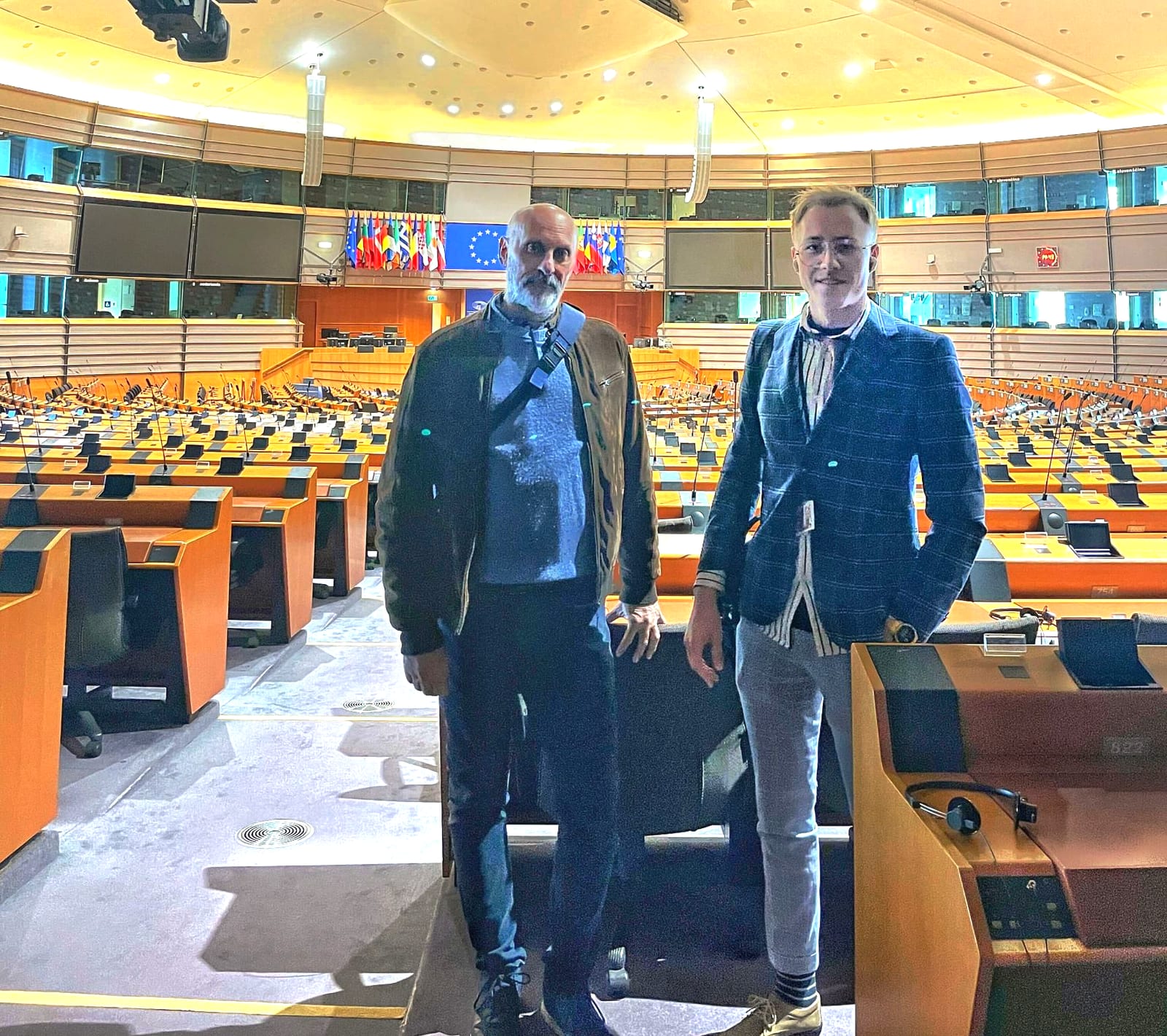
The Parliament's in-chamber voting system had been the standard for 20 years. The new remote application had to match it feature-for-feature, integrate with the EP's high-security network, and remain reliable through plenary and committee sessions where every vote counts. Testing was constrained by EP security policy, our CTO travelled to Brussels twice to validate the system on the live network.
- Coordinating architecture and feature parity against a 20-year incumbent in-chamber system
- Security and networking restrictions that limited where and how we could test
- Performance, reliability, and scalability had to match a real-time chamber-grade system
- Each release had to clear EP infrastructure validation before user testing
Discovery in Brussels, proof of concept on the EP network, ship in eight months.
We began with a one-month discovery to map requirements with Eurel and EP infrastructure teams and define the right architecture, followed by a one-month proof of concept on the European Parliament's network. The four-month development phase shipped five core modules, Landing, Authentication, Plenary, Committee, and Dashboard, with two months of user-acceptance testing on the live infrastructure before the May 2023 release.
What changed.
The client was happy with 7Code's work, daily status reports, and on-time delivery of milestones. Their project management was well-organized, and they used virtual meetings for communication. 7Code's professionalism, flexibility, and commitment also contributed to the project's success.