System & API Integrations
We connect your stack, ERPs, CRMs, data warehouses, SaaS tools, and legacy systems, into one reliable, observable data fabric ready to carry an AI layer on top.
Your systems don't talk to each other. Every team is working from a different version of the truth.
The pattern is always the same: sales works in the CRM, finance works in the ERP, operations works in a spreadsheet, and the weekly sync meeting exists to reconcile all three. Manual exports, CSV imports, and copy-paste workflows that break the moment one field changes. The cost is measured in analyst hours, delayed decisions, and, increasingly, AI features that hallucinate because the retrieval layer can't trust the source data.
Most companies don't have a data problem. They have a fragmentation problem. The data exists, but it's spread across a CRM, an ERP, a dozen SaaS tools, and a handful of databases nobody fully understands. We build the integration layer that connects them, Kafka or webhooks for events, dbt or Airbyte for batch, clean APIs in front, so your operational data is reliable, auditable, and ready to be retrieved by an LLM or agent without surprises.
Capabilities
API design and middleware
Clean, versioned APIs and middleware that translate between your systems, handling authentication, rate limiting, retry logic, idempotency, and the edge cases every integration eventually hits.
ERP and CRM connectors
Bi-directional sync between Salesforce, HubSpot, SAP, NetSuite, Microsoft Dynamics, and your internal systems. We've mapped the data models, handled the conflict resolution, and built what generic iPaaS tools skip.
Real-time event pipelines
Event-driven architectures (Apache Kafka, AWS SNS/SQS, webhooks, change-data-capture via Debezium) that propagate changes in seconds, not overnight batches. The foundation for any agent that reacts to business events.
Legacy system integration
We've integrated SOAP services, mainframe exports, FTP batch files, and systems that predate REST. If it exposes any interface, file, database, API, or message queue, we can build a reliable connector for it.
AI-ready data warehouse pipelines
ELT into Snowflake, BigQuery, or Redshift with dbt-modelled transforms. Same warehouse feeds your BI dashboards and your retrieval pipelines (pgvector, Pinecone), one source of truth for humans and LLMs alike.
Integration observability
Dashboards, alerting, and audit logs for every pipeline we build. You'll know when a sync failed, which records were affected, and what the system did about it, before your users (or your AI) file a ticket.
How we build it
Tools and technologies we use in this practice, chosen for fit, not familiarity.
Our process
Consistent across every engagement, adapted to your constraints, not the other way around.
Integration audit and architecture
We map every system, every data flow, and every manual handoff in your current stack. Output: an integration architecture decision record, what connects to what, in what direction, with what latency and reliability requirements, signed off before we write a line of code.
Connector-by-connector delivery
We build and ship integrations one connector at a time, validating each in production before moving to the next. A working integration shipped every two weeks, not a big-bang go-live six months from now.
Observability, runbooks, and handoff
Every pipeline ships with a monitoring dashboard, alerting rules, and a runbook your team can follow when something breaks at 2am. We do not consider an integration finished until it has been in production long enough to fail once and recover cleanly.
Questions teams ask before they start
What types of system integrations does 7code build?
7code builds integrations across the full enterprise technology stack: API-to-API integrations between SaaS platforms, ERP and CRM connectors, HRIS integrations, payment gateway connections, IoT data ingestion pipelines, and custom middleware layers where off-the-shelf connectors cannot meet performance or compliance requirements.
Which APIs, ERPs, and CRMs does 7code have experience integrating?
7code has integration experience with Salesforce, HubSpot, Pipedrive, SAP S/4HANA, Microsoft Dynamics, NetSuite, Workday, BambooHR, Stripe, Adyen, Xero, QuickBooks, and a range of healthcare-specific systems including HL7 FHIR-compliant EHRs. For less common systems, 7code conducts a Connector Feasibility Review before committing to a timeline.
How long does a typical system integration project take?
A straightforward API-to-API integration between two well-documented SaaS platforms typically takes three to six weeks. ERP integrations with custom data transformation requirements run six to twelve weeks. Complex multi-system integration programmes are scoped individually. 7code provides a fixed-scope Discovery phase before full-project commitment.
Who maintains integrations after they are built?
7code offers post-build maintenance retainers covering monitoring, error alerting, API version upgrades, and change requests as connected systems evolve. Alternatively, 7code can deliver a fully documented handover to the client’s in-house team, including runbooks, architecture diagrams, and test suites. All integrations include comprehensive logging so issues are diagnosed quickly.
How does 7code test system integrations?
7code’s integration testing approach includes: contract testing to verify API schemas remain stable, end-to-end automated test suites that run in staging before every release, data integrity checks at both source and destination, load testing for high-volume integrations, and error-injection testing to validate that failure modes are handled gracefully rather than silently corrupting data.
What are the main challenges of integrating with legacy systems?
Legacy systems often lack documented APIs, use non-standard data formats, have rate limits or batch-processing constraints, and require change management approval cycles that slow delivery. 7code mitigates these with a Legacy Connector Assessment upfront, adapter patterns that isolate legacy-specific logic, and phased integration approaches that avoid big-bang cutovers.
Should I use an iPaaS platform or custom integration code?
iPaaS platforms (MuleSoft, Boomi, Make, Zapier) suit commodity integrations between common SaaS tools where volume is moderate and logic is simple. Custom integration code is warranted when performance requirements exceed iPaaS limits, data transformations are complex, compliance requires full audit trails, or total cost of ownership favours build-once over recurring licence fees.
What is the typical size of a system integration project at 7code?
Integration projects at 7code range from focused three-week point-to-point connectors to multi-month enterprise integration programmes spanning ten or more systems. Most client engagements sit in the six-to-twelve-week range. 7code is equally comfortable with targeted integrations and large-scale integration architecture — scope and team size are matched to the actual requirement.
Projects using this service
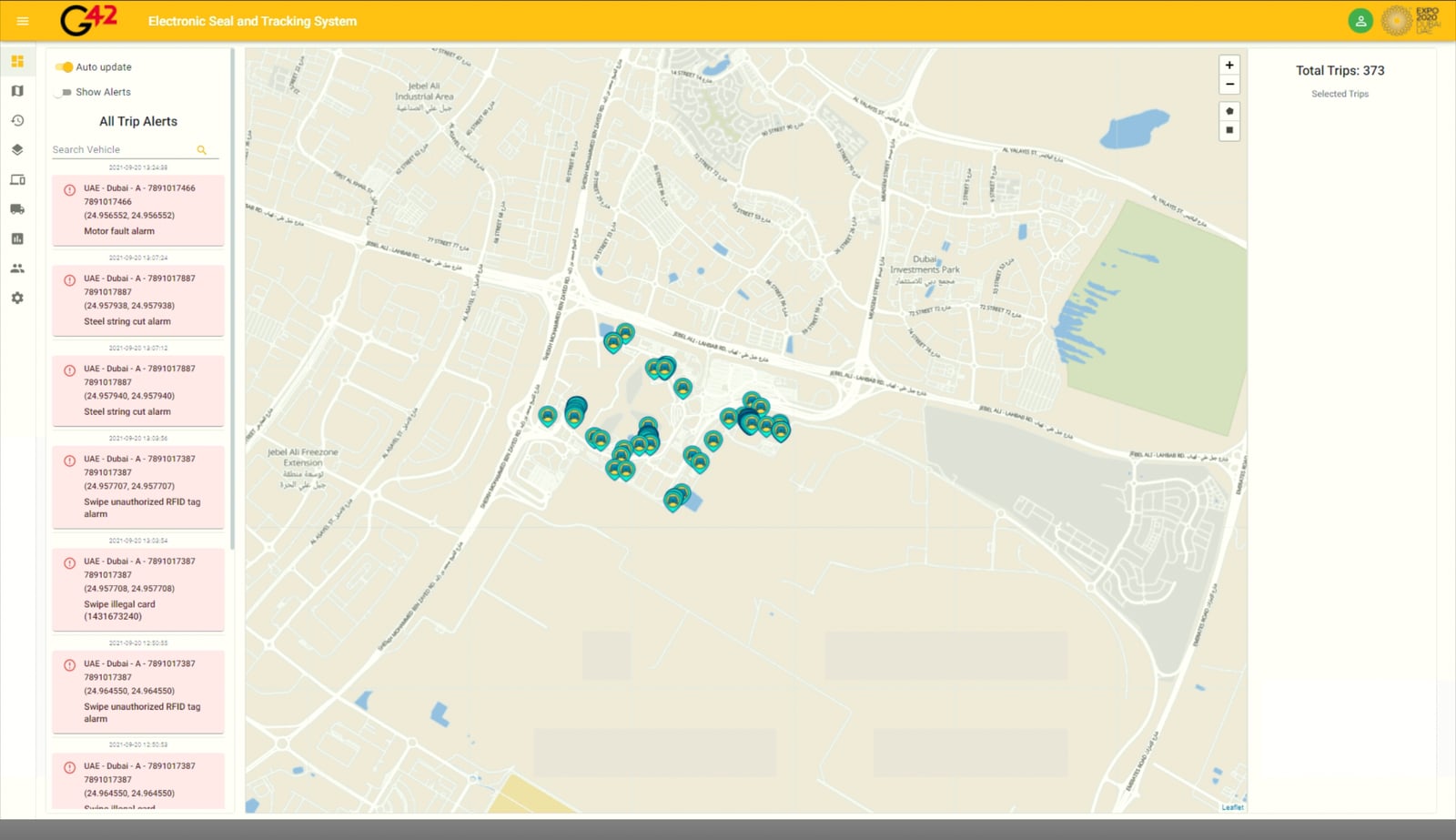
Real-time fleet tracking platform for EXPO 2020 Dubai
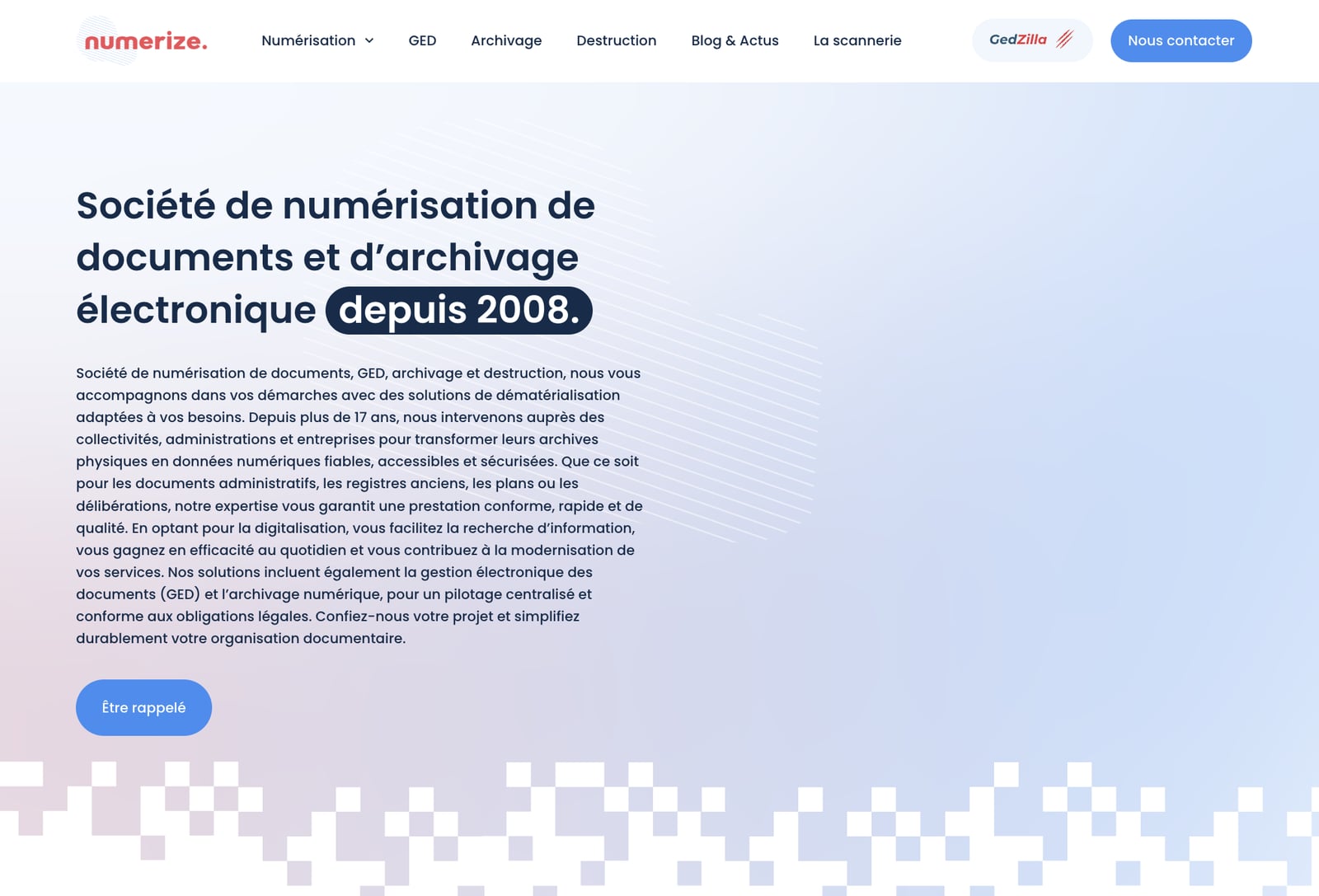
Responsive electronic document management platform with OCR and digital signatures

Remote electronic voting platform for the European Parliament
Ready to build your next product?
Tell us about your project. We'll respond within one business day with next steps.
We use cookies
We use essential cookies for the site to work, and analytics cookies (Google Analytics) to understand how you use it. Cookie Policy.