AI-Native Product Engineering
We discover, design, and ship AI-native web and mobile products end-to-end, from user research and UX design through LLM features, agent workflows, and the backend infrastructure to run them reliably in production. Not retrofits. Not wrappers.
Bolting AI onto a product built without it is expensive. Usually too expensive.
The teams that regret their architecture are the ones who built a clean CRUD app first and tried to add intelligence later. The data model doesn't support retrieval. The latency budget is gone. The UX was never designed for streaming responses or model uncertainty. We've inherited enough of these codebases to know: designing for LLMs and agents from day one costs far less than retrofitting them later, and the products that result are categorically better, faster to ship, and easier to evaluate.
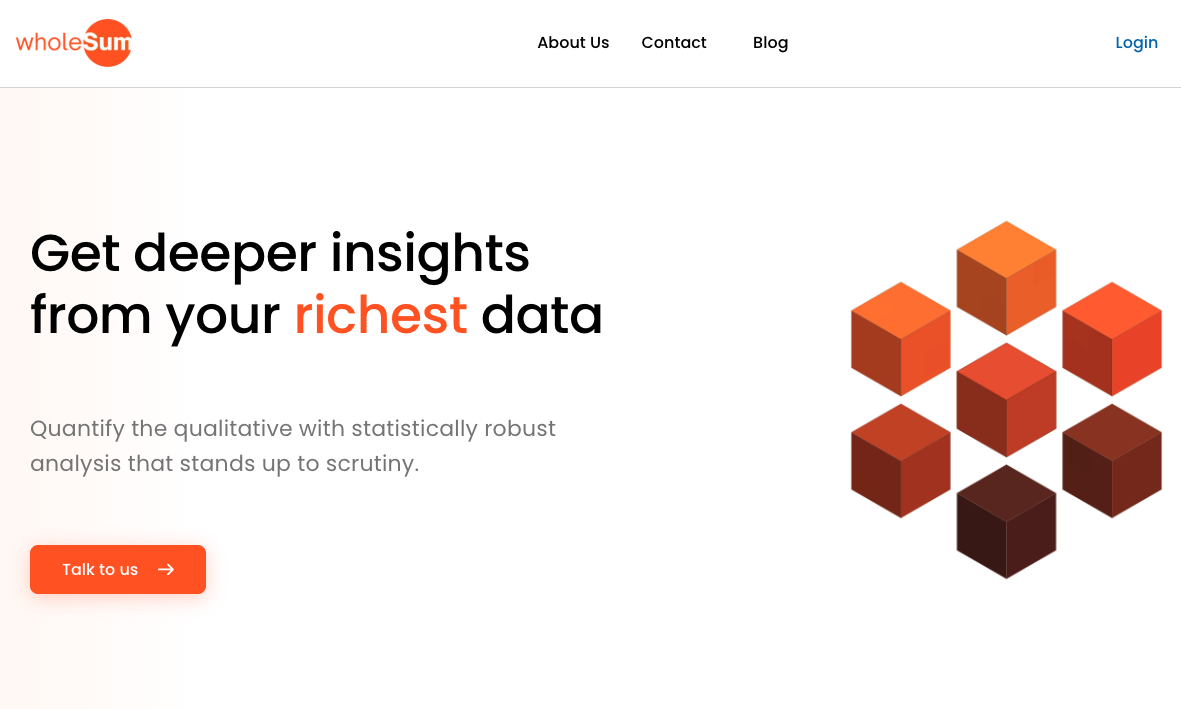
7Code is an AI-first product engineering company. We treat AI as a foundational capability, not a layer bolted on at the end: the data model, the retrieval and inference loops, the evaluation harness, and the UX are designed together from week one. The products we ship, Daily8 (UAE news aggregator with AI moderation and summarisation), WholeSum (self-serve qualitative-data analytics), and OctoLabs (AI support copilot), improve with every user interaction and scale cleanly as data and traffic grow.
Capabilities
AI-native web applications
Next.js and React apps with AI workflows embedded in the product experience, semantic search, RAG over your data, real-time suggestions, intelligent routing, and dynamic content grounded in retrieval.
Intelligent mobile apps
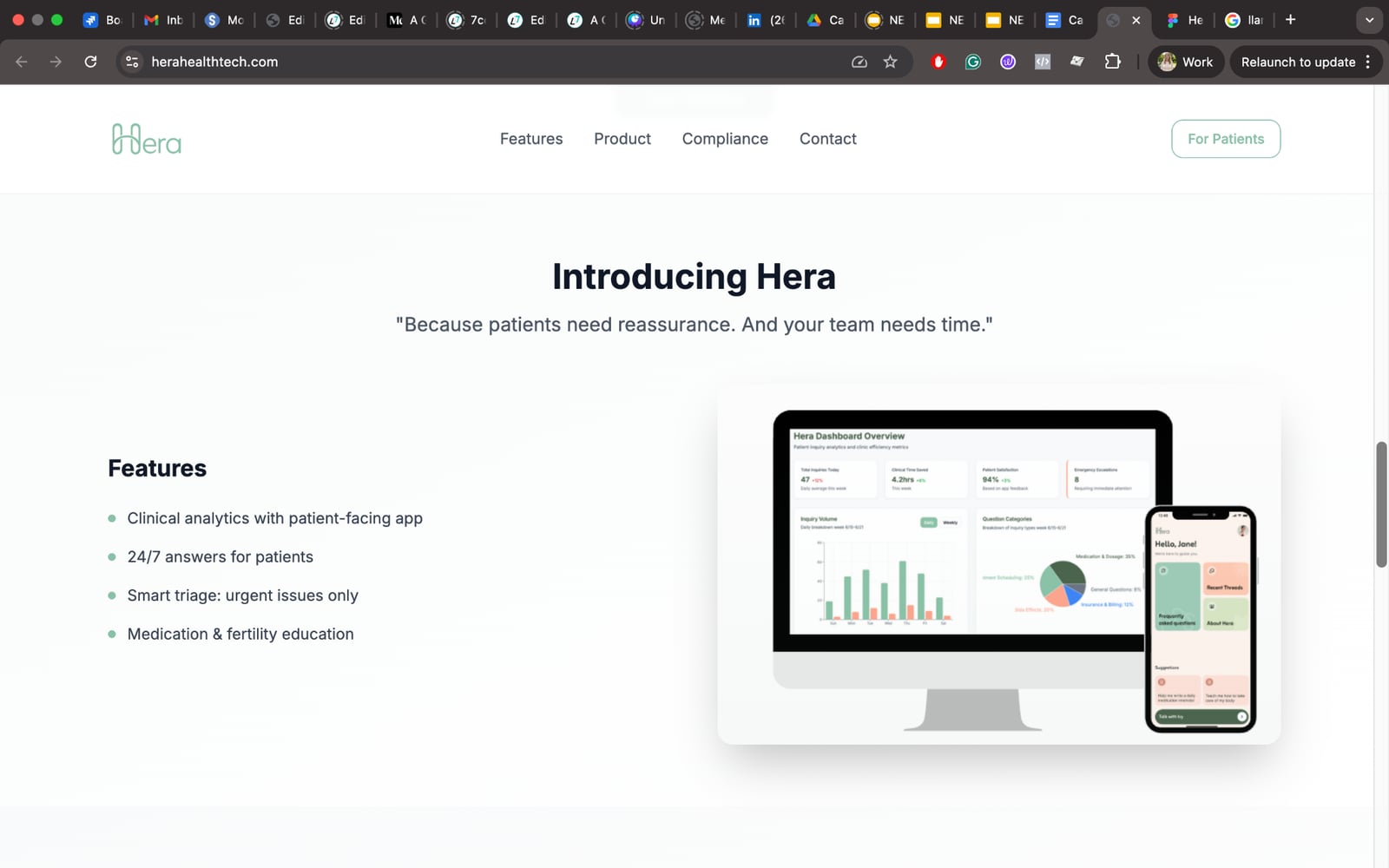
React Native and native iOS/Android apps with personalisation loops, on-device inference where it matters, and AI features that hold up offline. We've shipped AI mobile in media (Daily8), healthcare, and enterprise SaaS.
LLM-first user interfaces
Chat interfaces, copilots, and agentic dashboards designed for streaming, latency, and model uncertainty. We handle confidence displays, fallback paths, and tool-use UX, not just the happy path.
Agent and workflow infrastructure
Multi-step agent pipelines with tool use, memory, and human-in-the-loop checkpoints. Built on LangGraph or first-party SDKs (Anthropic, OpenAI), with eval harnesses and replay so behaviour is auditable.
AI-ready data and retrieval layer
The backend that makes AI possible: event streams, vector stores (pgvector, Pinecone), embedding pipelines, and the API contracts that keep your frontend fast while the model thinks.
Legacy integration and migration
We connect your AI-native product to the systems that hold your real data, EHRs, ERPs, CRMs, and the internal tools that predate modern APIs. No greenfield silos.
Product discovery & UX design
User research, assumption mapping, information architecture, and AI-aware UX patterns, streaming states, confidence indicators, citation displays, and fallback flows, designed before engineering begins. We deliver Figma components and a design system your engineers can build from without interpretation.
How we build it
Tools and technologies we use in this practice, chosen for fit, not familiarity.
Our process
Consistent across every engagement, adapted to your constraints, not the other way around.
AI capability scoping, before the spec
We map product requirements against LLM and agent capabilities in week one, before any specification is written. Architecture decisions made early, data model, retrieval strategy, evaluation criteria, feedback loops, have a 10× impact on what's possible by month six. We get these right first.
Two-week sprints with AI checkpoints
Every sprint ends with a deployable build and a measurable eval delta. At each review we score AI features against a held-out evaluation set, not just demo prompts, so quality moves in one direction and regressions are caught the day they happen.
Production hardening and handoff
The final phase covers prompt management, model versioning, evaluation CI, observability, and cost controls. We do not hand off without an eval harness your team can run, dashboards for token spend and latency, and a runbook for when a model degrades. The engagement finishes when your team can operate the system independently.
Questions teams ask before they start
What is AI product engineering?
AI product engineering is the end-to-end process of designing, building, and deploying AI-powered software products. It combines machine learning, software architecture, and product thinking to create systems that learn, adapt, and deliver measurable business value — from initial concept through to production deployment and ongoing optimisation.
How does 7code approach AI product development?
7code follows a structured, outcome-first process: discovery to define business goals, architecture design, iterative build sprints, evaluation loops to validate AI behaviour, and production hardening. Senior engineers lead every engagement. We measure success by business outcomes — cost reduction, revenue impact, or efficiency gains — not just technical delivery.
What technologies does 7code use for AI product engineering?
7code builds with Python, FastAPI, and Node.js for backend services; React and Next.js for frontends; OpenAI, Anthropic Claude, and open-source LLMs for AI layers; Pinecone, Weaviate, and pgvector for vector storage; and AWS, GCP, or Azure for cloud infrastructure. Stack choices are always driven by the client’s existing environment and scalability requirements.
How long does an AI product build typically take?
A minimum viable AI product typically takes 8–16 weeks from discovery to first production release. Complexity, integration requirements, and the maturity of the client’s data infrastructure all affect timeline. 7code uses time-boxed sprints with clear milestones, so clients see working software every two weeks rather than waiting months for a big reveal.
What is the minimum engagement size for AI product engineering?
Contact office@7code.ro to discuss scope and fit. Smaller exploratory engagements — such as a Discovery Sprint or AI Readiness Audit — are available as entry points before committing to a full build.
Can 7code take a product from idea to production?
Yes. 7code handles the full product lifecycle: requirements definition, technical architecture, UI/UX design integration, AI model selection, backend and frontend engineering, QA, deployment, and post-launch support. Clients can engage 7code at any stage — from greenfield concept to taking over an existing codebase that needs AI capabilities added.
How does 7code handle AI product validation and testing?
7code uses a multi-layer testing approach: unit and integration tests for conventional code, plus AI-specific evaluation frameworks to measure model accuracy, hallucination rates, and output consistency. We build eval suites during development so performance regressions are caught before production. Human-in-the-loop review gates are included for high-stakes decision paths.
What does a typical AI product engineering team look like at 7code?
A typical team comprises one AI architect, two to three senior backend engineers, one frontend engineer, and a QA specialist. For larger products, a product manager and DevOps engineer are added. 7code does not staff junior engineers on client projects — all roles are senior or above.
Projects using this service

Ready to build your next product?
Tell us about your project. We'll respond within one business day with next steps.
We use cookies
We use essential cookies for the site to work, and analytics cookies (Google Analytics) to understand how you use it. Cookie Policy.