Connect your business systems. Eliminate manual data work.
Your ERP, CRM and operational software should work together, not depend on employees moving data between them.
7code designs and develops custom system integrations that connect your existing business applications, automate data exchange and give your teams access to consistent, up-to-date information.
Your systems are disconnected. Your people are filling the gaps.
As businesses grow, they often add new software for finance, sales, inventory, HR and operations. But these systems don't always communicate. The result? Employees spend time transferring information instead of using it.
For companies managing complex operations, these inefficiencies increase with every new system and process.
The solution isn't necessarily replacing your software. It's making your existing systems work together.
Duplicate data entry
The same customer, order or invoice is entered into multiple systems.
Disconnected departments
Finance, sales and operations work with different versions of the same information.
Manual reporting
Teams export data from different platforms and combine it in spreadsheets.
Delayed updates
Changes in one system don't reach others automatically.
Limited visibility
Management cannot get a reliable overview without requesting data from multiple departments.
What can system integration solve?
7code builds integrations around your business processes and existing infrastructure.
ERP, CRM and finance integration
Connect your core business applications so customer, order, invoice and financial information flows between the systems that need it.
Example: Customer records created in your CRM synchronize with your ERP, while sales orders and invoices move to the relevant operational and accounting systems.
Automated data exchange between departments
Eliminate repetitive information handoffs between finance, sales, HR and operations. Automated workflows reduce duplicate entry, manual exports and dependency on employees remembering to update multiple platforms.
Real-time data synchronization
Keep connected applications updated automatically when information changes.
Centralized reporting
Bring information from multiple business applications into a shared data environment, so management gets a consistent view without combining spreadsheets every period.
Legacy system integration
Connect older applications, databases and on-premise systems with modern business software, without replacing infrastructure that still supports your operations.
What systems can 7code integrate?
We build connections between enterprise applications, SaaS platforms, databases and legacy software.
| System category | Typical integration use cases |
|---|---|
| ERP | Finance, inventory, procurement and operational data |
| CRM | Customer, sales and account information |
| Accounting | Invoices, payments and transactions |
| HR and payroll | Employee and workforce information |
| Warehouse management | Inventory, orders and fulfilment |
| Legacy applications | Connecting older systems with modern software |
| Data warehouses | Consolidating data for reporting and analytics |
Custom integration or an off-the-shelf platform?
Good for standard integrations
Platforms such as Make, Zapier, MuleSoft and Boomi can handle many standard integrations.
The right approach depends on your systems and requirements. 7code assesses whether an existing integration platform is sufficient or custom development is justified.
Necessary when your business requires
- Complex data transformations and business rules
- Connections to legacy or undocumented systems
- Synchronization across multiple applications
- Specific security, access or audit requirements
- Greater control over performance, reliability and error handling
The objective is not to build more software. It's to eliminate unnecessary complexity in your existing operations.
How 7code delivers system integration projects
Audit and architecture
We assess your systems, manual data transfers and processes, then define which applications need to communicate, what data must move and which system is the source of truth.
Integration development
We build and implement the required APIs, connectors, middleware and data pipelines around your infrastructure.
Testing and validation
We verify data accuracy, synchronization, duplicate handling, error recovery, permissions and performance.
Deployment and support
We deploy the integrations and establish monitoring, logging and documentation to support reliable operation.
Integration work we've shipped
Integrations built around platforms our clients already run, without replacing them.
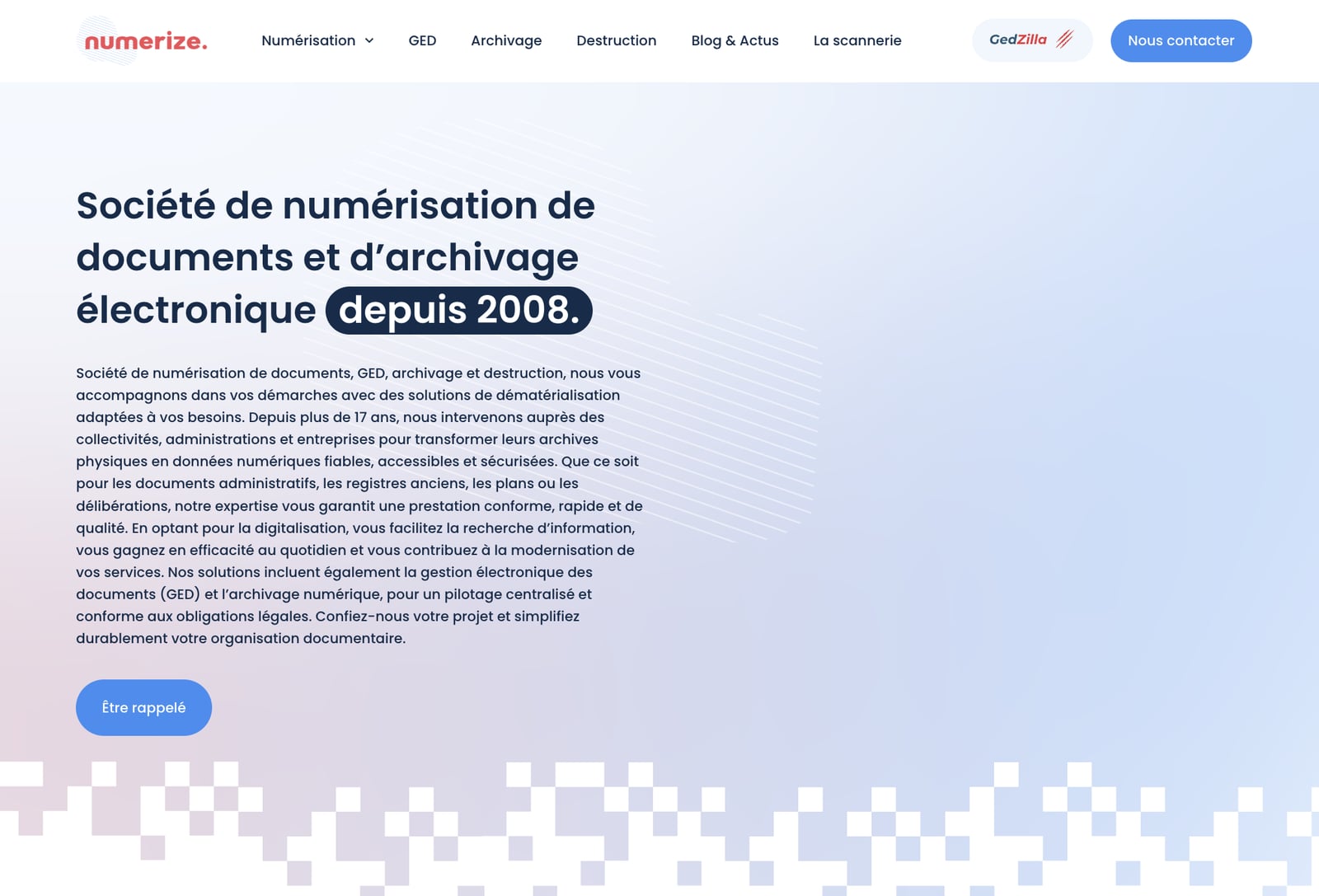
Responsive electronic document management platform with OCR and digital signatures
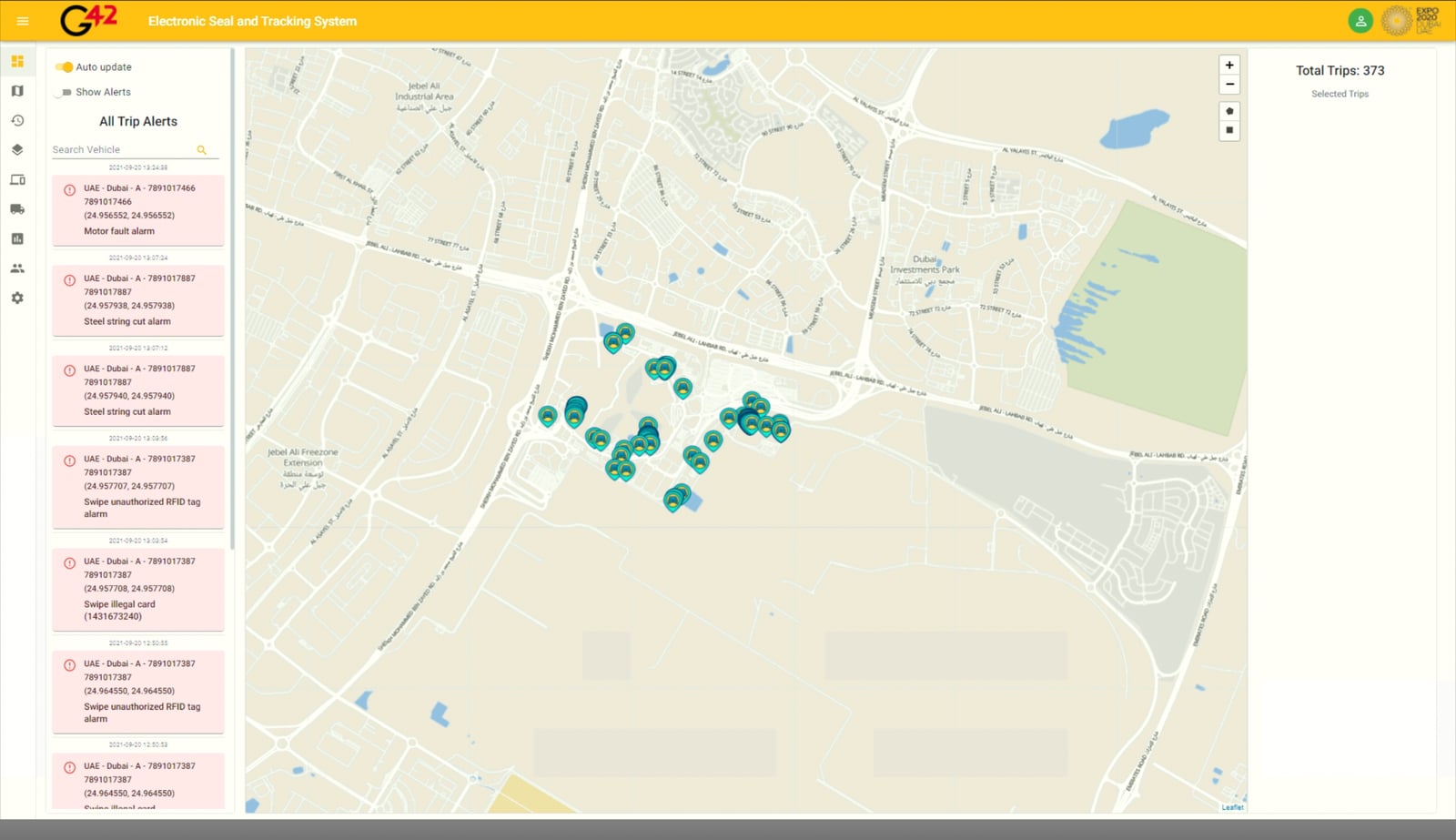
Real-time fleet tracking platform for EXPO 2020 Dubai

Mobile car-services app for the Romanian driver, RCA, ITP, vignette, all in one tap
Frequently asked questions about system integration
How can we connect our ERP and CRM without replacing them?
Existing ERP and CRM systems can be connected through APIs, middleware, custom connectors or integration platforms. The right solution depends on the interfaces each system supports and how information needs to move between them.
How do we eliminate manual data entry between business systems?
Identify where employees repeatedly transfer information between applications, then automate those data flows. API integrations, event-driven synchronization and scheduled pipelines can eliminate repetitive entry while validation rules help maintain data accuracy.
Can legacy software be integrated with modern cloud applications?
Yes. Legacy applications can often be connected through APIs, databases, file exchanges or custom adapters. A technical assessment determines the available integration options and any limitations.
How long does a system integration project take?
Timelines depend on the number of systems, API availability, data complexity and business requirements. A straightforward integration can take a few weeks, while larger multi-system projects require individual scoping.
How much does custom system integration cost?
Cost depends on system complexity, the number of connections, data transformation requirements, security needs and ongoing support. 7code assesses the existing infrastructure and defines the scope before committing to implementation.
The engineering behind this solution: architecture, tech stack and delivery process.
Make your existing systems work together.
If your teams still transfer data manually between business applications, there may be an opportunity to simplify operations without replacing the software you already use.
Tell us which systems your business relies on and where information gets stuck.
We use cookies
We use essential cookies for the site to work, and analytics cookies (Google Analytics) to understand how you use it. Cookie Policy.